
Just Got a Puppy in Zurich? Start Training Before 6 Months.
Many new puppy owners hear that the mandatory practical course starts later and assume training should wait. But your puppy is already learning from the first day at home.
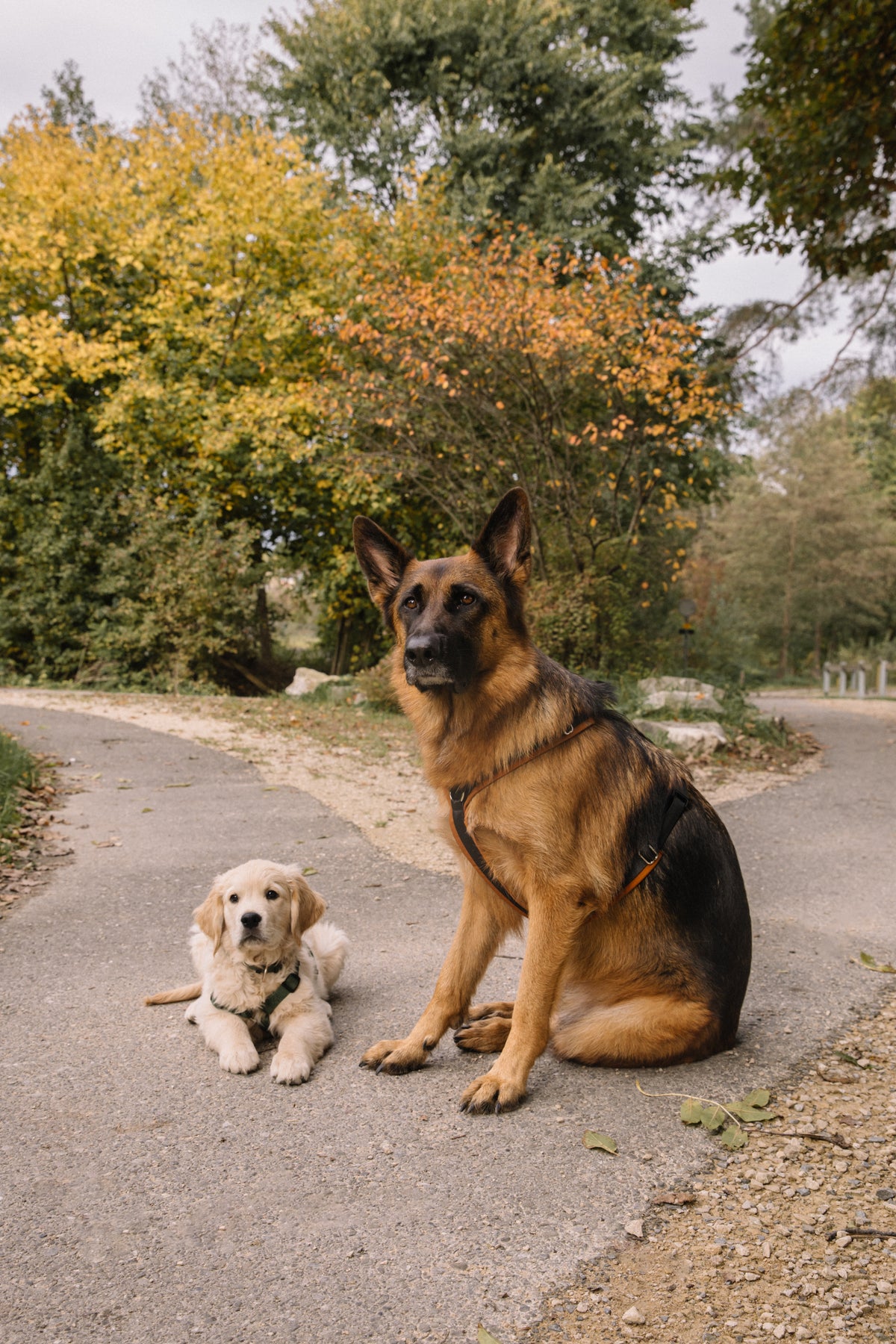
Puppies do not wait until 6 months to learn.
From the first day at home, your puppy is learning where to toilet, how to ask for attention, what happens when they bite hands, how exciting other dogs are, whether the outside world feels safe, and how predictable life with you feels.
Early puppy training is not about strict obedience. It is about building a calm, safe foundation before small patterns become everyday habits.
The goal is not a perfect puppy. The goal is a puppy who feels safe, understands simple routines, checks in with you, and can explore the world without becoming overwhelmed.
In the first weeks, your puppy needs calm structure.
A packed social calendar can easily create stress. Start with simple foundations that make home life easier and help your puppy understand how to succeed.
Toilet Routine
Clear timing, calm supervision and predictable habits so your puppy learns where to go without confusion.
Name & Check-Ins
Name recognition, eye contact and returning attention to you before the world becomes too exciting.
Gentle Handling
Positive practice for paws, ears, collar, harness, grooming and vet-style handling at your puppy's pace.
Safe Rest
A quiet place to sleep, decompress and learn that rest is part of the daily rhythm.
Calm Outside Exposure
Short, positive introductions to traffic, bikes, surfaces, sounds, people and city life in manageable doses.
Healthy Play
Better communication with other dogs, calmer greetings and learning when play should pause.
A well-socialised puppy is not the one who runs to everything. It is the one who can notice the world and stay connected to you.
Good socialisation means careful, positive exposure - not letting every person, dog or busy place rush at your puppy.
By 6 months, many puppies have already practised the habits owners later want to fix.
This does not mean your puppy is bad. It simply means they have been learning without enough clear guidance.
The mandatory practical course comes later. The foundation starts earlier.
Puppy socialisation and private puppy lessons help your dog build the skills they will need later: focus, calmness, confidence, leash foundations, polite greetings and better communication.
Predictability first
Toilet rhythm, safe sleeping place, gentle handling, calm play and a home routine your puppy can understand.
Confidence without pressure
Short exposure to city life, people, sounds and surfaces while your puppy still feels safe and connected to you.
Foundation skills
Name response, check-ins, settling, leash foundations, healthy play and calm behaviour around other dogs.
Mandatory practical course
The stronger the early foundation, the easier and more meaningful the practical course becomes.
Get the right support for your puppy in Zurich.
Puppy Socialisation Playgroup
Structured puppy play, guided socialisation and first foundations at SKG Sektion Zurich, 8046 Zurich.
Private Puppy Training
Personal help with biting, toilet routine, crate training, settling, leash basics and life at home.
Not Sure What You Need?
Send a short message with your puppy's age, breed and main question. We will point you in the right direction.
Common questions from new puppy owners in Zurich.
Should I wait until my puppy is 6 months old?
No. The mandatory practical course comes later, but early learning starts immediately. Puppy training before 6 months focuses on routine, confidence, socialisation, settling, handling and communication.
Is puppy training about obedience?
Not at this age. Early puppy training is mainly about helping your puppy feel safe, understand simple expectations and build habits that make everyday life easier.
What if my puppy bites hands or cannot settle?
That is exactly the kind of early challenge private puppy training can help with. Often the solution involves sleep, structure, play rules, handling, enrichment and clearer routines.
Can my puppy socialise before the mandatory course?
Yes, but socialisation should be safe, thoughtful and age-appropriate. Ask your vet about health precautions while vaccinations are ongoing, and avoid overwhelming your puppy with chaotic dog meetings.
Do you offer puppy training in English?
Yes. i-Dog School offers puppy socialisation and private puppy training in English for dog owners in Zurich.
Useful links for puppy owners in Zurich.
Choose the most relevant next step for your puppy, your routine and the Zurich training requirements.
Start puppy training
- Puppy Socialisation Playgroup Guided puppy play, early foundations and safe socialisation.
- Private Dog Training & Home Visits Personal support for biting, toilet routine, settling, leash basics and home life.
Zurich requirements
- 6x Mandatory Practical Course Official practical training for dog owners in Canton Zurich.
- Mandatory Practical Course Single practical course option for dog owners in Zurich.
- Theory Course - Canton Zurich Mandatory theory training for responsible dog ownership.
- All Training Services See the full overview of available i-Dog School programmes.
More training courses
- Social Walk Structured city training for calm behaviour in real-life situations.
- Paws Forward Training Advanced group training for focus, confidence and teamwork.
- Truffle Hunting Course Seasonal nosework training for enrichment, focus and cooperation.
Helpful reading
- Moved to Zurich With a Dog? A first-10-days checklist for dog owners new to Zurich.
- Blog overview More practical guidance from i-Dog School.
- Get in Touch Ask which training option is right for your dog.
Your puppy can learn to be calm around real life.
Zurich life includes dogs, people, trams, cafes, children, bikes, new sounds, slippery floors, narrow pavements and busy crossings. The aim is not to make everything exciting. The aim is to make the world feel understandable.